Tested Approaches to Enhance Gut Health and Alleviate Anxiety
The state of gut health holds an important role in emotional health, most notably in relation to anxiety. Recent studies highlight the association between gut microbiota and mood regulation. Including particular foods and practices can improve gut health and, in turn, diminish anxiety symptoms. Yet, many people remain unaware of how to effectively implement full article these strategies. Understanding the nuances of this relationship is crucial for those seeking a stable emotional state and improved overall health.
The Connection Between Your Gut and Anxiety Explained
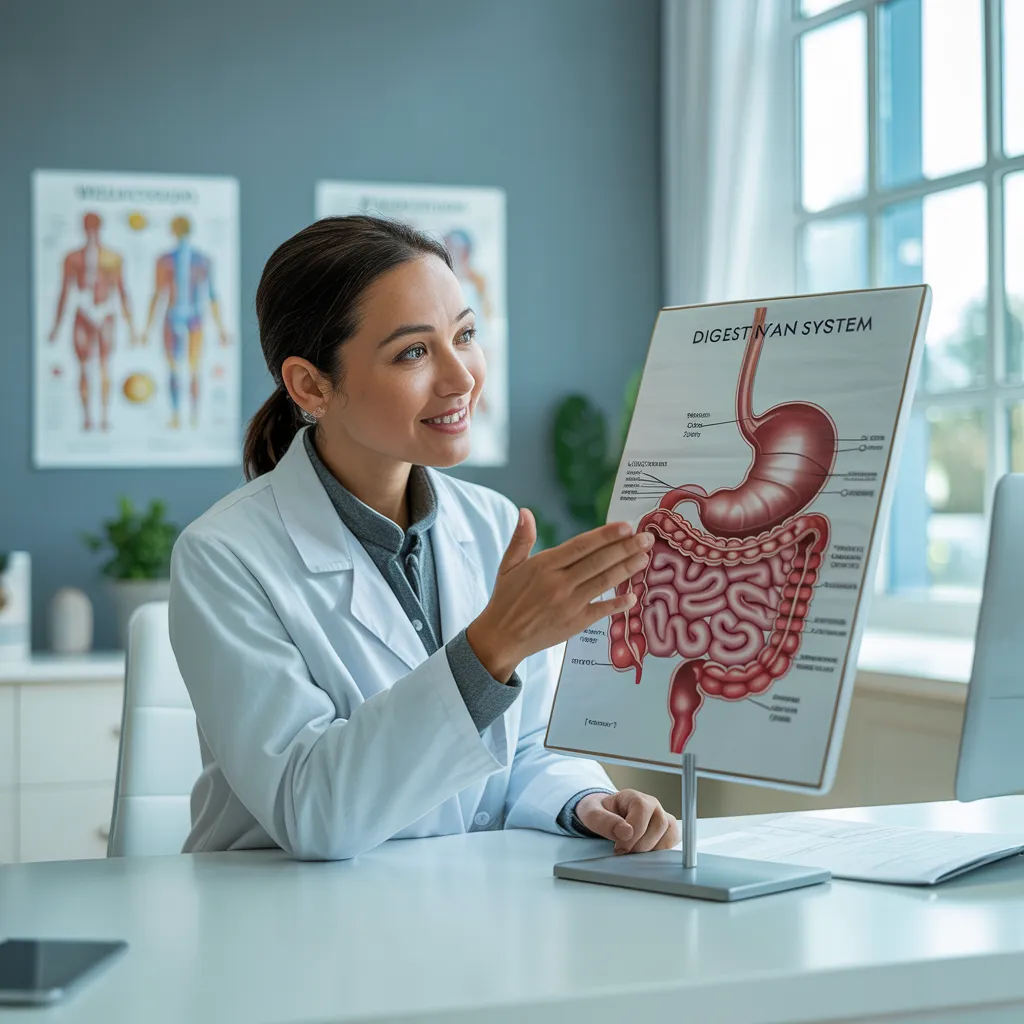
The detailed association between gut health and anxiety has gained considerable attention in recent years. Research reveals that the gut microbiome, home to trillions of bacteria, plays an essential role in mental health. These microorganisms generate neurotransmitters, including serotonin, which significantly influence mood and emotional regulation. An imbalance in gut flora may lead to increased inflammation and altered brain signaling, contributing to anxiety disorders. Additionally, the gut-brain axis—a communication network bridging the gastrointestinal system and the brain—illustrates how gut health directly affects psychological well-being. Stress can also disturb gut bacteria, creating a vicious cycle of anxiety and digestive issues. Understanding this connection underscores the importance of sustaining a healthy gut as a potential strategy for managing anxiety effectively.
Foods That Boost Gut Health and Elevate Mood
Investigating foods that boost gut health reveals the crucial roles of fermented foods and fibrous ingredients. These dietary elements not only aid digestive function but also result in elevated mood and emotional wellness. Comprehending their positive effects can help individuals to make eating decisions that constructively affect both gut health and mental well-being.
Fermented Foods for Health and Wellness
Fermented foods serve a crucial function in boosting gut health and elevating mood, as they possess beneficial probiotics that aid the digestive system. These foods, including yogurt, kefir, kimchi, and sauerkraut, are packed with live microorganisms that support a balanced gut microbiome. This balance is crucial, as it not only facilitates digestion but also affects mental well-being. Research demonstrates that the consumption of fermented foods can result in reduced feelings of anxiety and depression, fostering overall emotional resilience. By including these nutrient-dense options into daily diets, individuals can cultivate a healthier gut environment. This, in turn, may result in improved mood and cognitive function, making fermented foods a worthwhile addition to wellness strategies.
Advantages of High-Fiber Ingredients
Adding high-fiber foods into one's diet complements the positive effects of fermented foods by also supporting gut health and boosting mood. Foods rich in fiber, such as grain products, fruits, vegetables, and legumes, function as prebiotics, nourishing beneficial gut bacteria. This cooperative relationship cultivates a varied microbiome, which is vital for maximum digestive function and mental wellness. Research suggests that a healthy gut microbiome can affect neurotransmitter production, especially serotonin, often referred to as the "happy hormone." Therefore, individuals consuming adequate fiber may experience lowered anxiety and improved mood stability. Additionally, fiber can promote satiety, aiding overall health by preventing overeating and supporting weight management. Thus, incorporating fiber-rich foods is essential for both gut health and emotional balance.
The Way Probiotics Can Help Reduce Anxiety
The relationship between gut and brain serves a crucial function in mental wellness, connecting gastrointestinal wellness to emotional states. Research suggests that certain probiotic strains may contribute to reducing anxiety symptoms by beneficially affecting this connection. Grasping how these probiotics function can deliver insights into their prospective gains for individuals struggling with anxiety.
The Gut-Brain Connection Uncovered
Even though the gut and brain are commonly perceived as separate entities, new research highlights a profound connection between the two, referred to as the gut-brain axis. This two-way communication system includes multiple pathways, including neural, hormonal, and immunological mechanisms. The gut microbiota, composed of trillions of microorganisms, plays a vital role in this connection, shaping brain function and emotional regulation. Research demonstrates that imbalances in gut bacteria can add to mental health problems, such as anxiety. Probiotics, which are beneficial live bacteria, have attracted attention for their potential to restore gut microbiota balance. By promoting a healthier gut environment, probiotics may improve mood and anxiety levels, emphasizing the importance of gut health in overall mental wellness.
Probiotic Strains To Address Anxiety
Investigation of the gut-brain axis shows that specific probiotic strains may contribute substantially to reducing anxiety symptoms. Particular strains, such as Lactobacillus rhamnosus and Bifidobacterium longum, have been demonstrated to impact the production of neurotransmitters like serotonin, which is essential for mood regulation. These probiotics may assist in reduce inflammation and promote a healthier gut microbiome, thereby enhancing overall mental health. Moreover, studies reveal that probiotics can regulate stress responses and strengthen emotional resilience. By integrating these beneficial bacteria into the diet, individuals may experience a reduction in anxiety levels. However, more research is needed to fully understand the mechanisms and effectiveness of probiotics in treating anxiety disorders, guaranteeing that their use is supported by scientific evidence.
Detect and Eliminate Intestinal Health-Damaging Foods
What methods can people use to safeguard their digestive health from damaging foods? To sustain perfect intestinal operation, it's vital to identify and avoid certain gut-destroying foods. Processed foods, containing elevated sugar and detrimental fats, can disrupt intestinal flora balance and contribute to inflammation. Chemical additives and preservatives commonly aggravate digestive complications. Furthermore, drinking too much alcohol can injure digestive tract lining and compromise nutrient absorption. Individuals should also be wary of gluten and dairy, because these can provoke intolerance responses for some, causing intestinal discomfort. By emphasizing complete, minimally processed foods abundant in fiber, including vegetables, fruits, and whole grain products, people can enhance their digestive wellness and minimize feelings of anxiety, cultivating improved digestive balance.
Mindfulness Techniques to Boost Gut Health
In what ways does mindfulness support gut health? Practices like meditation and deep breathing can significantly influence gut health by minimizing stress and enhancing the mind-body connection. Stress commonly interferes with gut function, resulting in issues such as bloating and indigestion. Mindfulness techniques encourage people to be attentive during meals, promoting better digestion through conscious eating. This awareness helps in recognizing hunger and satiety cues, reducing overeating. In addition, mindfulness can improve emotional regulation, which may diminish anxiety-related gut disturbances. By promoting a calm mental state, individuals may experience enhanced gut microbiota diversity and overall digestive function. Thus, incorporating mindfulness into daily routines serves as a beneficial strategy for promoting gut health.
How Regular Exercise Supports Gut Health and Reduces Anxiety
Although many individuals connect exercise chiefly with physical fitness, it also performs a critical function in promoting gut health and lessening anxiety. Regular physical activity fosters the diversity of gut microbiota, which is crucial for overall digestive health. Greater gut microbiome diversity can bring about improved digestion and nutrient absorption, resulting in better emotional well-being. In addition, exercise stimulates the production of endorphins, neurotransmitters that help relieve anxiety and boost mood. It also helps regulate cortisol levels, a hormone often related to stress. Following consistent exercise routines can foster a sense of accomplishment and resilience, moreover bolstering mental health. Thus, integrating regular physical activity into daily life can be a powerful strategy for improving gut health and managing anxiety.
Developing a Sustainable Gut Health Regimen
A sustainable gut health routine is vital for supporting overall well-being and maximizing digestive function. This routine should incorporate a balanced diet loaded with fiber, probiotics, and prebiotics to sustain beneficial gut bacteria. Adding a variety of fruits, vegetables, whole grains, and fermented foods can considerably enhance gut flora diversity. Additionally, hydration plays a vital role; adequate water intake facilitates digestion and nutrient absorption. Regular physical activity, as previously noted, further supports a healthy gut environment by promoting motility and reducing stress. Mindfulness practices, such as meditation, can also alleviate anxiety, which in turn improves gut health. By consistently following these approaches, individuals can cultivate a robust gut health routine that encourages long-term digestive wellness and emotional balance.
Popular Questions
Can Gut Health Affect Sleep Quality and Duration?
Studies show that gut health can substantially impact sleep quality and duration. A harmonious gut microbiome may lead to enhanced sleep patterns, while imbalances can cause sleep disturbances and decreased overall restfulness.
How Does Hydration Impact Gut Health?
Proper hydration plays a vital role in gut health by enabling digestion, nutrient absorption, and preserving mucosal lining integrity. Adequate water intake aids the passage of food through the intestines, improving overall gastrointestinal function and encouraging a balanced microbiome.
Do Any Particular Herbs Support Gut Health?
Particular herbs, like peppermint, ginger, and fennel, are recognized to enhance gut health. They can support digestion, lessen bloating, and encourage a balanced gut microbiome, promoting overall gastrointestinal wellness and comfort.
How Does Stress Impact Gut Microbiome Diversity?
Stress harmfully influences gut microbiome diversity by modifying microbial composition and diminishing beneficial bacteria. This imbalance can cause gastrointestinal issues and increased inflammation, eventually impacting overall health and potentially aggravating stress-related disorders.
Does Gut Health Affect Skin Conditions Such As Acne?
Studies indicate that gut health can affect skin conditions including acne. The microbiome's balance influences inflammation and skin barrier function, indicating that improving gut health may bring about clearer skin and reduced acne symptoms.