Uncovering the Secrets of Longevity Supplements: How They Work to Increase Your Lifespan
Products designed for longevity have received recognition for their potential to extend lifespan and enhance health. These items often include diverse ingredients addressing cellular health and reducing age-related diseases. Comprehending the mechanisms behind these formulations is vital. What specific ingredients contribute to their success? As research advances, the answers may possess the key to a lengthier and more vibrant existence. What insights can be found about the science of aging and its association with these compounds?
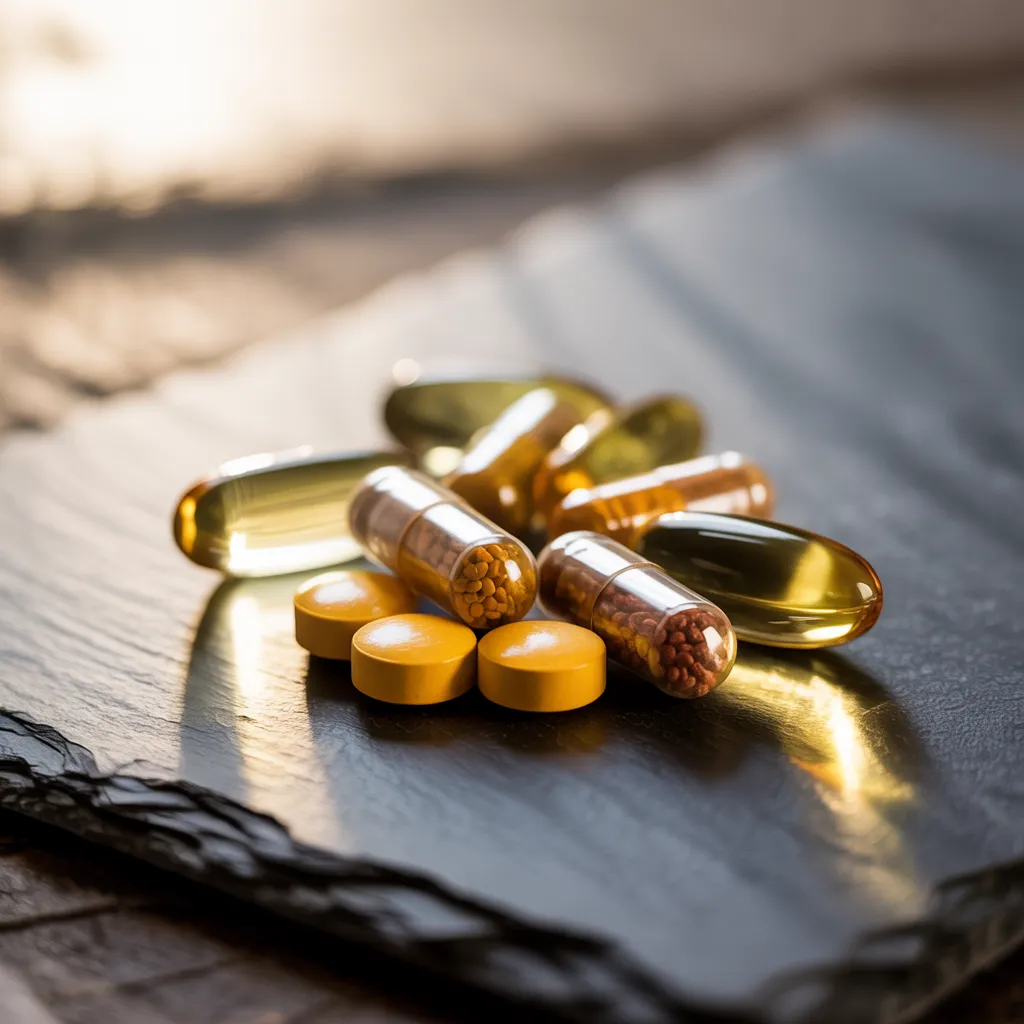
What Are Longevity Supplements and Their Mechanisms?
Longevity supplements are dietary products designed to promote a longer, healthier life. These supplements often contain a blend of vitamins, minerals, antioxidants, and herbal extracts aimed at supporting cellular health and reducing the risk of age-related diseases. Typical ingredients encompass resveratrol, curcumin, and omega-3 fatty acids, which are considered to exhibit anti-inflammatory and antioxidant qualities.
The way these supplements work can differ; some may enhance metabolic processes, while alternative types combat oxidative strain or support cellular restoration. In addition to their potential health benefits, longevity supplements are often marketed as tools for boosting energy levels and overall health as people grow older. Nonetheless, it is important for users to approach these products with caution, as evidence confirming their potency might be mixed. Grasping the purpose of such products is crucial for anyone seeking to enhance their longevity and quality of life.
The Biology of Aging: Decoding Your Internal Clock
In what way does the biological clock affect the aging process? Regulated by genetic and environmental factors, the biological clock serves a crucial function in controlling cellular activities and general physiological well-being. It determines when different biological processes occur, encompassing cell division, metabolism, and restorative mechanisms. Over time, the accumulation of cellular damage and the gradual decline in the efficiency of these processes contribute to aging.
Telomeres, which are protective structures at chromosome ends, become shorter with every cell division, acting as a biological indicator of the aging process. When telomeres attain critically reduced lengths, cells become unable to divide further, which leads to cellular senescence. In addition, epigenetic variations can transform gene expression while leaving DNA sequences unchanged, which further impacts aging and longevity. Understanding these mechanisms provides insight into how lifestyle choices and potential supplements may impact longevity, highlighting the significance of the biological clock in the aging journey.
Vital Elements to Find in Longevity Supplements
In selecting longevity supplements, certain ingredients are essential for supporting health and well-being. Antioxidants are critical for protecting cells, combating oxidative stress that can accelerate aging. In addition, adaptogens aid in stress management, enabling the body to maintain balance and resilience throughout time.
Cellular Protection Through Antioxidants
As people strive to improve their well-being and prolong their longevity, antioxidants prove to be essential components in longevity supplements. These compounds fulfill an essential role in protecting cells from oxidative stress, a process tied to aging and various chronic diseases. By neutralizing free radicals, antioxidants help mitigate cellular damage, thereby supporting general well-being and vitality. Common antioxidants included in longevity supplements include vitamins C and E, selenium, and polyphenols, all providing unique protective benefits. Research demonstrates that a diet rich in antioxidants can support extended lifespan by improving immune function and reducing inflammation. Consequently, incorporating effective antioxidants into longevity supplements is critical for those aiming to support their cellular health and enhance their lifespan.
Managing Stress Through Adaptogens
In the quest for longevity, stress management is just as crucial as tackling oxidative stress. Adaptogens, naturally occurring compounds that assist the body in adapting to stress, are vital ingredients in longevity supplements. These compounds, including ashwagandha, rhodiola, and holy basil, play a pivotal role in regulating the body's stress response. By adjusting cortisol levels and boosting resilience, adaptogens support cognitive clarity and emotional stability. Research suggests that these herbs not only lessen the effects of chronic stress but also foster overall well-being, supporting a healthier lifespan. Integrating adaptogens into a daily regimen can help individuals to better handle life's challenges, ultimately fostering a more sustainable and balanced approach to longevity.
How Antioxidants Contribute to a Longer Life
Antioxidants serve a vital function in encouraging longevity by countering oxidative stress, which is associated with various age-related diseases. These compounds neutralize free radicals—unstable molecules that can harm cells, proteins, and DNA, causing accelerated aging and chronic health issues. Common antioxidants include vitamins C and E, selenium, and flavonoids, which are found in fruits, vegetables, and whole grains. By introducing antioxidants into the diet, individuals may diminish inflammation and support cellular repair mechanisms.
Scientific evidence shows that a diet rich in antioxidants can lower the risk of health issues such as heart disease, cancer, and neurodegenerative disorders. Moreover, antioxidants may enhance the immune system, enhancing overall health and resilience against disease. As the body ages, its potential to produce natural antioxidants declines, emphasizing the importance of external sources. Thus, antioxidants represent a critical component in the pursuit of a longer, healthier life, serving to counteract the effects of aging.
How Adaptogens Aid You in Managing Stress for Increased Longevity
Adaptogens are well-known for their potential to reduce cortisol levels, which is important in addressing stress. By strengthening resilience to stressors, these natural compounds may lead to improved overall well-being. This connection illustrates the potential role of adaptogens in promoting a healthier, longer life.
Adaptogens Reduce Cortisol Levels
An expanding collection of studies reveals that adaptogens occupy an important position in decreasing cortisol levels, as a result helping individuals in managing stress effectively. Adaptogens, including ashwagandha, rhodiola rosea, and holy basil, have been proven to control the body's stress response, leading to lower cortisol production. High cortisol, regularly referred to as the "stress hormone," can have detrimental effects view now on health, including body weight elevation, anxiety, and compromised immune function. By fostering hormonal balance and boosting the body's ability to adapt to stressors, adaptogens support overall well-being. This diminishment in cortisol not only allows individuals cope with daily challenges but may also promote improved longevity by reducing the long-term effects of chronic stress on the body.
Increase Endurance Toward Stress
While managing stress is essential for overall health, many individuals struggle to maintain resilience when confronting life's challenges. Adaptogens, a type of natural substances, are more and more accepted for their capacity to improve the body's ability to handle stress. These compounds, discovered in plants like ashwagandha and rhodiola, operate by adjusting the stress response, therefore fostering mental clarity and emotional stability. By reducing fatigue and boosting energy levels, adaptogens enable people to traverse stressful situations more effectively. Moreover, they may contribute to reducing the risk of stress-related diseases, promoting a longer, healthier life. Incorporating adaptogens can help people foster resilience, ultimately supporting their health and extended lifespan.
Resveratrol: Your 'Fountain of Youth'?
Is resveratrol really the answer to increasing human life expectancy? This organic compound, predominantly present in red wine, grapes, and particular berries, has garnered attention for its potential anti-aging properties. Research demonstrates that resveratrol may activate sirtuins, a group of proteins connected to cellular health and longevity. These proteins are believed to improve the body's capacity to handle stress and encourage cellular repair processes.
Animal studies have shown that resveratrol can optimize metabolic health, minimize inflammation, and mimic the effects of caloric restriction, which has been connected to increased lifespan. However, the translation of these findings to humans remains inconclusive. While some studies demonstrate potential benefits, others require more rigorous clinical trials to determine effective dosages and long-term impacts. As interest in longevity supplements increases, resveratrol continues to be a key focus in the quest for the elusive "fountain of youth."
The Influence of Omega-3 Fatty Acids on Longevity
Research indicates that omega-3 fatty acids serve a crucial function in supporting heart health, which can contribute to increased longevity. In addition, these fatty acids are acknowledged for their anti-inflammatory effects, continuously enhancing overall well-being. Comprehending these benefits may present insights into their effect on lifespan.
Cardiovascular Wellness Benefits
Various scientific investigations have demonstrated the important role of omega-3 fatty acids in promoting heart health, which may as a result influence overall lifespan. These essential fats, often found in fish oil and certain plant sources, aid in cardiovascular wellness by reducing triglyceride levels, lowering blood pressure, and improving arterial function. Research demonstrates that individuals with higher omega-3 intake typically show a lower risk of heart disease, a leading cause of mortality worldwide. Moreover, omega-3s are correlated with enhanced heart rhythm and reduced plaque buildup in arteries. By enhancing heart health, omega-3 fatty acids may elevate quality of life and longevity, making them a valuable component of a thorough approach to prolonging lifespan through nutrition.
Anti-Inflammatory Effects
Omega-3 fatty acids play a significant role in reducing inflammation, a key factor associated with many chronic diseases that can harmfully affect lifespan. These essential fats, predominantly found in fish oil along with specific plant sources, are known to regulate inflammatory processes in the body. By decreasing the production of pro-inflammatory cytokines and encouraging the synthesis of anti-inflammatory molecules, omega-3s help alleviate conditions such as cardiovascular disease, arthritis, and neurodegenerative conditions. Research indicates that individuals with increased omega-3 intake experience decreased levels of inflammation-related markers, which corresponds to improved health outcomes. As a result, incorporating omega-3 fatty acids into the diet may deliver a strategic approach to boost longevity through inflammation reduction, ultimately resulting in a healthier, longer life.
Understanding the Role of Vitamins and Minerals in Longevity Supplements
While numerous factors play a role in healthy aging, vitamins and minerals play an essential role in the development of longevity supplements. These micronutrients support numerous physiological functions that can boost overall health and potentially extend lifespan. For example, antioxidants like vitamins C and E work to counteract oxidative stress, which is associated with age-related decline. Furthermore, vitamin D contributes to bone health and immune function, essential for older adults.
Minerals such as magnesium and zinc are fundamental for cell function and metabolic activities. Magnesium helps maintain muscle and nerve function, while zinc supports immune response and wound healing. Furthermore, B vitamins are crucial for energy metabolism and cognitive health.
Including these vitamins and minerals into longevity supplements helps tackling nutritional deficiencies and fosters a holistic approach to aging, supporting vitality and resilience as individuals move through the later stages of life.
Personalizing Your Longevity Supplement Plan
Personalizing a longevity supplement plan involves examining individual health needs and lifestyle factors to guarantee optimal benefits. Each individual's unique genetic makeup, medical record, and dietary habits play a significant role in identifying which supplements will be most suitable. For instance, individuals with specific health issues, such as heart disease or diabetes, may require specialized supplements that support their unique needs.
Moreover, age, gender, and activity level are important considerations. Younger individuals may concentrate on preventive measures, while elderly individuals might prioritize supplements that boost cognitive function or support joint health. Working with healthcare professionals can provide beneficial insights, ensuring that picked supplements correspond to personal health goals.
Additionally, evaluating dietary intake aids in detect potential nutrient inadequacies that supplements can address. By personalizing the supplement plan to individual requirements, one can maximize the potential for improved health outcomes and longevity.
Essential Tips for Identifying and Taking Longevity Supplements
When selecting longevity supplements, it is critical to prioritize quality and scientific backing to ensure efficacy and safety. Consumers should search for products that have been through rigorous testing and have transparent ingredient lists. Consulting with healthcare professionals is vital, as they can provide personalized recommendations based on individual health needs and potential interactions with medications.
Additionally, it is crucial to examine the reputation of the brand. Established businesses with positive reviews and a devotion to research are better positioned to deliver dependable supplements. Users should also watch out for inflated claims and marketing tactics that lack scientific support.
In conclusion, implementing a holistic approach that includes a healthy diet, regular exercise, and proper sleep can boost the positive effects of longevity supplements. By combining these practices, individuals can optimize their potential of achieving a greater, healthier life through informed supplement use.
Frequently Asked Questions
Is It Safe for Everyone to Use Longevity Supplements?
Not everyone can safely use longevity supplements. One's medical conditions, medication regimen, and sensitivities can alter their effects. Consulting healthcare professionals is essential to determine suitability and avoid potential adverse interactions or side effects.
Can I Depend Exclusively on Supplements for Longevity?
Relying exclusively on supplements for longevity is not recommended. A nutritious diet, regular physical activity, and a generally healthy lifestyle are important components that supplements alone are unable to replace, as they cannot address all dimensions of health and general wellness.
What's the Expected Timeframe to See Results From Longevity Supplements?
The effects of longevity supplements may differ, usually requiring a few weeks to a couple of months to show visible effects. Factors influencing outcomes include personal health status, daily habits, and the specific supplement used, ensuring that consistent usage crucial for possible advantages.
Interactions Between Longevity Supplements and Prescription Medications
Longevity supplements can interact with prescription medications, potentially altering their effectiveness or causing side effects. It is essential that people speak with medical professionals before merging supplements with their prescribed medications to secure safe and effective outcomes.
Which Lifestyle Changes Need to Accompany Longevity Supplement Use?
To optimize the value of longevity supplements, users should follow a well-balanced diet, commit to regular physical activity, maintain proper sleep, address stress effectively, and cultivate social connections to promote total well-being and longevity.