The Science Behind How a Yogurt Maker Works
The mechanics of yogurt maker functionality present an interesting yet elementary concept. It centers on the fermentation process, mainly driven by specific bacteria. These microorganisms thrive in a carefully controlled environment, bringing about the transformation of milk into yogurt. Grasping this process reveals the delicate balance required for successful fermentation. What factors establish the ideal conditions for these bacteria, and how do they finally affect the final product?
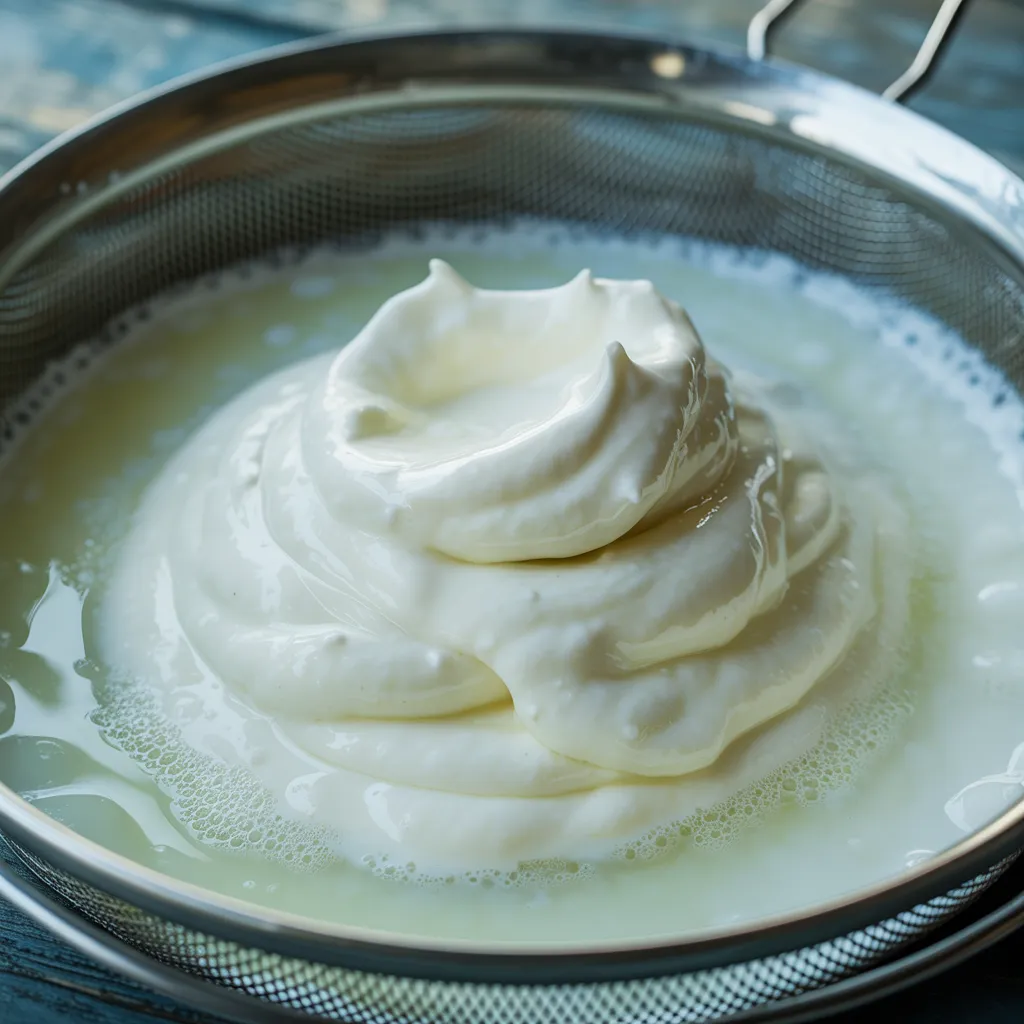
The Process of Making Yogurt in a Yogurt Maker
Preparing yogurt in a yogurt maker is a straightforward process that delivers delicious results. First, the individual gathers the essential ingredients, which typically include milk and a yogurt starter culture containing live active bacteria. The milk is heated to the appropriate temperature, usually around 180°F, to guarantee any unwanted bacteria are eliminated. After lowering the milk to approximately 110°F, the yogurt starter is blended in thoroughly.
Once combined, the mixture is transferred to the yogurt maker's container, which is then placed inside the machine. The yogurt maker keeps a constant, warm temperature to facilitate fermentation. The fermentation process generally requires between 6-12 hours, depending on personal taste preferences for consistency and tanginess. When fermentation finishes, the yogurt is extracted, cooled in the refrigerator, and can be eaten or flavored plain. The result is a smooth, nutritious yogurt, ready to eat.
The Science Behind Yogurt Fermentation
Yogurt fermentation is a fascinating biochemical process that transforms milk into yogurt through the action of beneficial bacteria. This transformation begins when specific strains of bacteria, primarily Lactobacillus bulgaricus and Streptococcus thermophilus, are introduced to warm milk. These microorganisms flourish within the optimal temperature range of 100 to 115 degrees Fahrenheit, during which they break down lactose, the natural sugar found in milk.
As the bacteria digest lactose, they produce lactic acid, which reduces the pH of the milk. This increase in acidity makes the proteins in the milk, especially casein, to coagulate and denature, producing the thick, creamy texture typical of yogurt. Moreover, the production of lactic acid adds to yogurt's tangy flavor. The fermentation process usually takes several hours, during which the bacteria proliferate and additionally boost the yogurt's nutritional profile, creating a product loaded with probiotics and beneficial compounds.
Bacterial Role in Yogurt Maker Methods
Helpful bacteria fulfill a vital purpose in the yogurt-making process, functioning as the primary agents of fermentation within yogurt makers. The two most often used strains are Lactobacillus bulgaricus and Streptococcus thermophilus, which work synergistically to convert lactose, the sugar in milk, into lactic acid. This acidification not only thickens the milk but also forms the characteristic tangy flavor of yogurt.
As bacterial colonies grow, they release enzymes and other compounds that improve the texture and taste of the final product. Optimal fermentation temperatures, usually between 110°F to 115°F (43°C to 46°C), foster bacterial activity, providing consistent results.
In addition, the activity of these bacteria adds to the yogurt's probiotic properties, which can offer health advantages such as strengthened digestion and immune system support. In summary, the exact interplay of these helpful microorganisms is critical for achieving superior yogurt in yogurt makers.
Important Factors When Choosing a Yogurt Maker
While selecting a yogurt maker, various features can significantly influence the fermentation process and the quality of the final product. Temperature control is crucial, as yogurt bacteria thrive within a specific range, typically between 100°F and 115°F. A maker with exact temperature settings ensures consistent results. Furthermore, the capacity of the yogurt maker is significant; those creating larger quantities may choose models that accommodate multiple jars or a larger single container.
A built-in automatic shut-off function enhances convenience by preventing over-fermentation. Ease of maintenance is another vital aspect; detachable parts and dishwasher-compatible components facilitate this task. Moreover, certain yogurt makers provide pre-programmed settings for different yogurt varieties, offering flexibility to users. In conclusion, evaluating the maker's energy efficiency can contribute to cost-effectiveness over time. By analyzing these attributes, buyers can pick a yogurt maker that perfectly matches their needs and enriches their yogurt-making journey.
Tips for Perfect Homemade Yogurt
Creating perfect homemade yogurt needs careful attention and a few key approaches. First, picking high-quality ingredients is crucial; using fresh milk and live cultures can considerably influence the final product. Preserving the right temperature during fermentation is essential, as yogurt cultures thrive best between 110°F and 115°F. A yogurt maker can deliver consistent heat, but if not available, an oven with the light on can equally serve the purpose.
Proper timing plays a vital role; letting the yogurt to ferment for at least six through eight hours delivers a tangy flavor and thick texture. After the fermentation process, cooling the yogurt in the refrigerator for several hours will strengthen its consistency. Furthermore, trying different flavors can personalize the yogurt; adding fruits, honey, or vanilla can create personalized versions. Following these tips can produce delicious, homemade yogurt suited to individual tastes.
Questions & Answers
Is Any Type of Milk Suitable for a Yogurt Maker?
All types of milk can be employed in a yogurt maker, including whole, reduced-fat, or non-dairy options. Each type may produce different textures and flavors, providing a variety of yogurt experiences adapted to personal preferences.
How Long Can Yogurt Last After You Make It?
Homemade yogurt generally lasts around 1-3 weeks when stored properly in the refrigerator. Its freshness depends on elements like hygiene during preparation and the milk type utilized, affecting overall shelf life.
Does Homemade Yogurt Offer More Health Benefits Than Store-Bought Alternatives?
Store-bought yogurt alternatives are frequently outweighed by homemade versions in terms of health benefits, as it typically contains fewer preservatives, added sugars, and artificial ingredients. Moreover, individuals can customize flavors and probiotics to better suit their dietary preferences.
Can I Personalize My Yogurt Flavors When Using a Yogurt Maker?
Yes, flavors in yogurt can be customized with a yogurt maker. By adding fruit, sweeteners, or extracts during the fermentation process, individuals can create full details custom and personalized yogurt varieties that suit their taste preferences.
What Common Mistakes Should You Avoid When Using a Yogurt Maker?
Common mistakes when using a yogurt maker include not properly heating the milk, using stale starter cultures, failing to keep a consistent temperature, or not sterilizing equipment, all of which can negatively impact yogurt quality.