How Gut Health Fixes Acne and Skin Problems
The connection between gut health and skin conditions, especially acne, is increasingly recognized in the realm of holistic wellness. A balanced gut microbiome is crucial for managing inflammation and supporting nutrient absorption. This connection indicates that addressing gut health may lead to clearer skin. However, understanding the specific mechanisms at play and how dietary choices can affect this relationship raises important questions about effective strategies for achieving healthier skin.
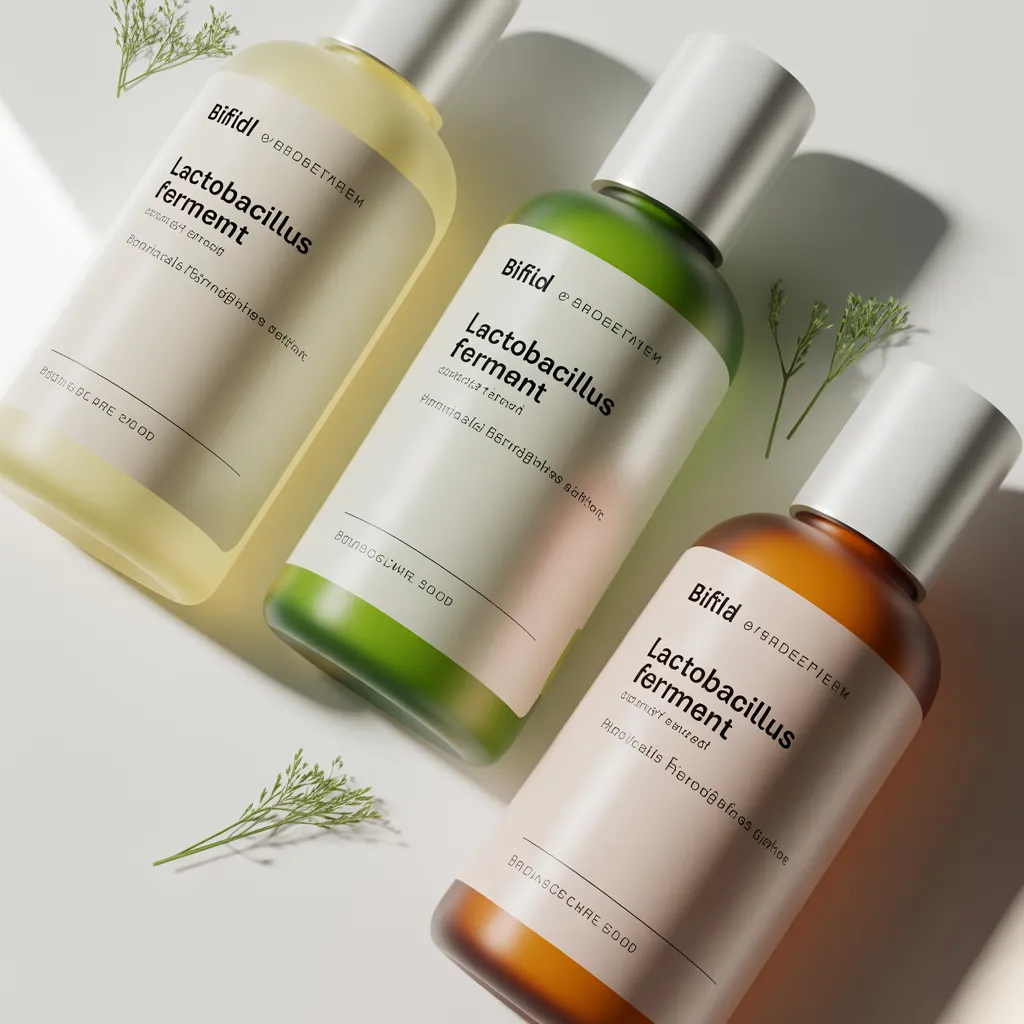
What's the Relationship Between Your Gut and Skin?
In what ways can the state of one's digestive system affect their skin's look and health? Research suggests a notable link between gut health and skin condition. The gut microbiome, made up of trillions of microorganisms, plays an crucial role in digestion, nutrient absorption, and immune function. An imbalance in this microbiome can lead to various health problems, including skin conditions. For example, a compromised gut may obstruct nutrient absorption vital for skin repair and regeneration, causing lackluster appearance or sensitivity.
Furthermore, the gut generates metabolites that have an effect on skin health, such as short-chain fatty acids, which may mitigate inflammation. Additionally, a healthy gut barrier keeps harmful substances from entering the bloodstream, potentially reducing skin sensitivity and reactions. All in all, maintaining a balanced gut microbiome through a wholesome diet and lifestyle choices can constructively influence skin appearance and resilience, highlighting the complex link between internal health and external beauty.
How Gut Health Impacts Inflammation and Acne
The gut microbiome plays an essential role in regulating inflammation, which can greatly influence acne development. Food selections may either worsen or improve skin conditions, emphasizing the significance of proper nutrition for healthy skin. Moreover, chronic stress has the potential to interfere with intestinal function, thereby influencing both inflammation and overall skin condition.
Intestinal Microbiota and Inflammation
Although the link between the gut microbiome and inflammation may not be immediately apparent, recent research reveals its substantial role in skin health, especially concerning acne. The gut microbiome, consisting of trillions of microorganisms, affects systemic inflammation through various mechanisms. A well-regulated microbiome supports immune function and minimizes the production of inflammatory cytokines, which are associated with acne development. In contrast, dysbiosis—an imbalance in gut bacteria—can cause increased inflammation, initiating skin problems such as acne. Studies suggest that optimizing gut health may reduce inflammatory responses and better skin conditions. Therefore, maintaining a healthy gut microbiome is vital for decreasing inflammation and potentially relieving acne symptoms, highlighting the interconnectedness of gut health and skin integrity.
Understanding Diet's Influence on Acne
Though many factors play a role in acne formation, diet plays a vital role in affecting gut health and, therefore, inflammatory responses in the skin. Research suggests that certain dietary choices can exacerbate inflammation, causing an increase in acne severity. Elevated-glycemic foods, dairy products, and refined sugars are often connected to heightened insulin levels, which may prompt sebum production and promote acne. In contrast, a diet packed with whole foods, antioxidants, and omega-3 fatty acids can promote gut microbiota diversity and reduce inflammation. Fermented foods, such as yogurt and kimchi, improve gut health by introducing helpful bacteria. Thus, a balanced diet not only supports the body but also serves as a vital factor in managing acne through its impact on gut health and skin inflammation.
The Connection Between Stress and Skin Health
Stress profoundly influences skin health, notably through its connection to gut health and inflammation. When individuals experience stress, their bodies secrete cortisol, a hormone that can upset gut microbiota balance. This imbalance typically leads to increased intestinal permeability, enabling toxins and bacteria to penetrate the bloodstream, therefore triggering systemic inflammation. Inflammation is a established contributor to acne and other skin conditions, as it can worsen oil production and clogged pores. Furthermore, stress can lead to unhealthy coping mechanisms, such as poor dietary choices, which additionally compromise gut health. By dealing with stress through relaxation techniques and lifestyle changes, individuals may enhance both their gut health and skin condition, eventually reducing the severity of acne and promoting clearer skin.
How Your Gut Microbiome Impacts Hormonal Balance and Skin Health
Your gut microbiome fulfills a critical role in controlling hormone regulation, which subsequently profoundly influences dermal health. A diverse and stable digestive microbiome facilitates the creation of hormones such as estrogen and cortisol, which can considerably influence dermal conditions. When gut integrity is weakened, it may trigger hormonal disruptions that emerge as acne, eczema, and other dermal complications.
Specifically, dysbiosis—an imbalance of gut bacteria—has been linked to elevated inflammation and stress responses, further exacerbating skin problems. Hormonal fluctuations commonly arise from dietary choices, stress, and lifestyle factors that affect gut flora.
Sustaining a thriving gut microbiome through appropriate nutrition and probiotics can encourage hormonal harmony, thus fostering clearer skin. Understanding this link emphasizes the value of gut health in achieving not only physical wellness, but also optimal skin condition.
The Importance of Nutrient Absorption for Clear Skin
A well-functioning gut not only influences hormonal balance but also plays a vital role in nutrient absorption, which is essential for maintaining clear skin. When the gut is healthy, it properly processes vitamins, minerals, and antioxidants necessary for skin repair and rejuvenation. Nutrients like zinc, vitamin A, and omega-3 fatty acids promote skin health by regulating oil production and reducing inflammation. Alternatively, poor nutrient absorption can result in deficiencies, weakening the skin's barrier function and encouraging conditions like acne and eczema. In addition, an imbalanced gut microbiome may obstruct the body's ability to absorb these vital nutrients, worsening skin issues. Therefore, ensuring optimal nutrient absorption through a healthy gut is crucial for gaining and keeping clear, radiant skin. Focusing on gut health can create improved nutrient availability, ultimately benefiting the skin and reducing the incidence of various skin problems.
Top Foods for Improving Gut Health and Achieving Clear Skin
Many foods can considerably enhance gut health, leading to clearer skin. Fermented options like yogurt, kefir, and kimchi, are rich in probiotics that promote a balanced gut microbiome. These advantageous bacteria help decrease inflammation and boost skin health. High-fiber options such as fruits, vegetables, and whole grains also serve a critical role; they aid in digestion and encourage a healthy gut environment.
Omega-3 fatty acids, found in fatty fish like salmon and walnuts, help combat inflammation, which can reduce acne flare-ups. Foods high in antioxidants, such as berries, nuts, and green leafy vegetables, protect skin cells from damage and promote healing. Moreover, keeping hydrated by consuming sufficient water is vital for both digestive and skin health. Adding these foods to your diet can significantly support better gut function and clearer skin, emphasizing the strong link between nutrition, digestive health, and skin condition.
Powerful Life Adjustments for Enhancing Gut and Skin Health
Strengthening digestive and skin wellness can be realized through deliberate lifestyle changes that support overall well-being. Regular physical activity is fundamental, as it increases circulation and lowers stress, both of which contribute to healthier skin. Integrating a balanced diet rich in fiber, probiotics, and antioxidants promotes gut flora and skin wellness. Appropriate hydration is vital, as it assists in preserving skin elasticity and facilitates digestion.
Furthermore, focusing on sleep helps the body to restore itself, including skin regeneration. Stress reduction techniques, such as mindfulness or yoga, can also mitigate hormonal fluctuations that may worsen skin issues. Cutting back on processed foods, sugar, and dairy may also improve gut health and skin clarity. Ultimately, cutting down on alcohol and quitting smoking can greatly enhance overall health, leading to clearer skin. By implementing these lifestyle changes, individuals can promote a holistic approach to obtaining perfect gut and skin health.
Including Gut Health To Your Skincare Routine
Including gut health into a skincare routine can substantially impact skin appearance and overall wellness. A balanced diet rich in probiotics and prebiotics strengthens the gut microbiome, which in turn improves skin health. Foods like yogurt, kefir, sauerkraut, and fiber-rich fruits and vegetables support beneficial gut bacteria, leading to reduced inflammation and improved skin texture.
Hydration is another key factor; proper fluid intake promotes detoxification while helping to sustain skin elasticity. Additionally, integrating supplements like omega-3 fatty acids can further bolster skin health by lowering internal inflammation.
Practices for managing stress, incorporating mindfulness and regular exercise, also contribute to a healthier gut, which improves skin condition. By merging these dietary and lifestyle changes with topical skincare products, individuals can develop a holistic approach that not only addresses skin concerns but also encourages overall well-being. This synergy between gut health and skincare can lead to clearer, healthier skin.
Common Questions
Can Probiotics By Themselves Eliminate Acne?
Probiotics alone may not clear up acne entirely. While they can aid in skin wellness and boost gut health, a complete approach including diet, skincare, and lifestyle changes is generally essential for optimal acne control.
How Soon Can You Expect to See Improvements?
Enhancements in acne can usually be noticed within four to eight weeks of consistent probiotic use. Nevertheless, personal responses fluctuate depending on factors such as skin type, diet, and overall health. Patience remains crucial.
Are There Specific Foods to Avoid for Skin Health?
Specific foods can damage skin health. Sugar-based processed foods, milk products, and carbohydrates with a high glycemic index may aggravate skin issues. Avoiding these items can help related article achieve clearer skin and generally improved skin health.
How Does Stress Influence Gut Health and Skin Conditions?
Ongoing stress has a profound effect on digestive health, creating imbalances that can worsen dermatological concerns. The link between stress, gut function, and skin conditions underscores the significance of managing stress for comprehensive health and well-being.
Is There a Link Between Gut Health and Eczema?
Research indicates a potential relationship between gut health and eczema, suggesting that imbalances in gut microbiota may alter inflammatory responses. This connection highlights the importance of gut health in managing skin conditions like eczema.