Proven Ways to Heal Your Gut Naturally
Your gut's health is vital for complete wellness. Most overlook this crucial aspect until difficulties appear. A comprehensive method can substantially boost gut performance. This involves nutritional modifications and habit alterations. Incorporating specific foods and supplements may yield positive results. Learning the details of intestinal health can prompt wiser decisions. The next parts will investigate successful approaches to boost gut health and show how basic modifications can produce substantial results.
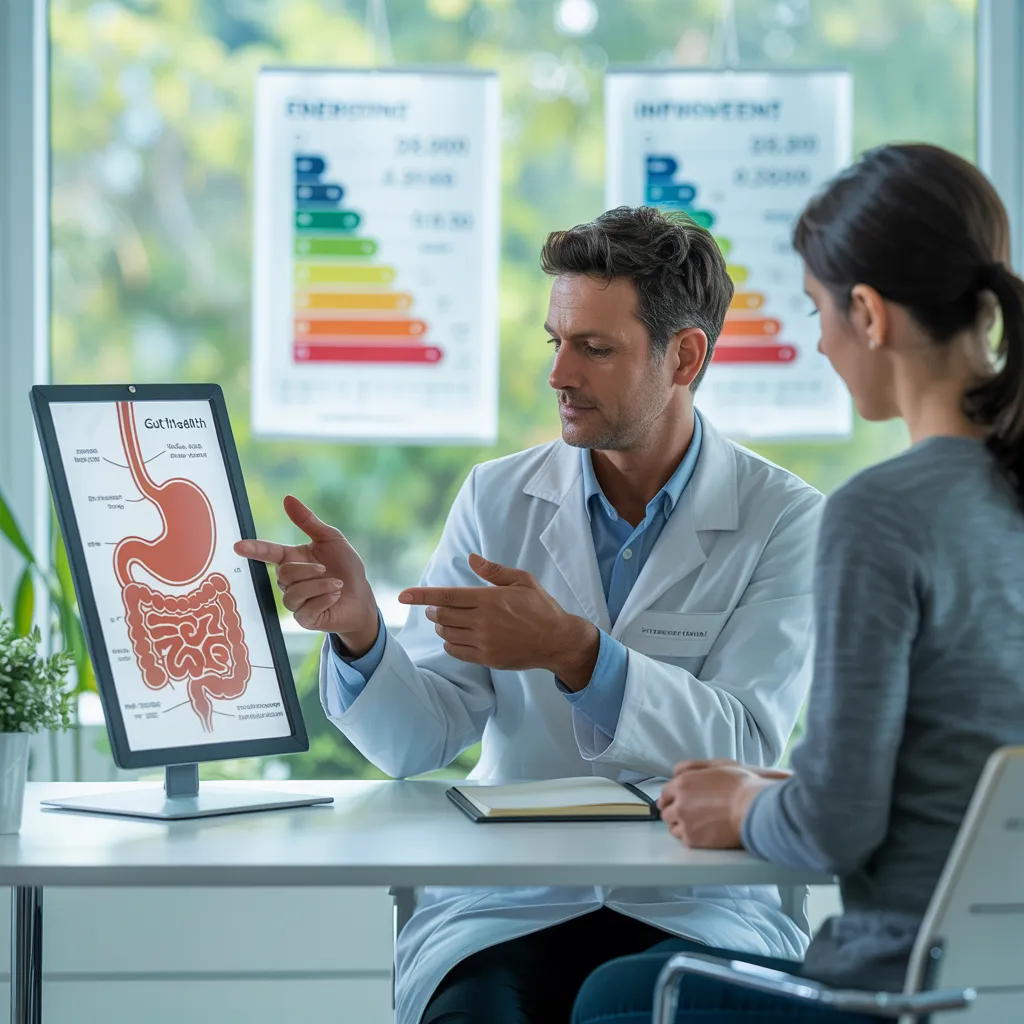
The Importance of Gut Health and Ways to Enhance It
Gut health is fundamental for complete well-being, shaping everything from digestion to immune function. A well-maintained gut microbiome supports nutrient absorption, making sure the body acquires essential vitamins and minerals. Moreover, a healthy gut can reduce inflammation, which has a vital purpose in avoiding chronic diseases. Research indicates that an compromised gut can cause issues such as anxiety, depression, and autoimmune disorders, emphasizing the importance of maintaining gut health.
Enhancing gut health necessitates a comprehensive approach. Regular physical activity supports digestive performance and microbiome diversity. Stress management methods, such as mindfulness and yoga, can also favorably influence gut function. Moreover, sufficient hydration is crucial for maintaining digestive health. It is fundamental to reduce processed foods and excessive sugar intake, as these can disrupt the gut's natural balance. By adopting these practices, individuals can foster a healthier gut, ultimately enhancing their overall health and quality of life.
Crucial Food Choices for Digestive Wellness
A nutritious diet plays an important part in sustaining gut health, as particular foods can support the microbiome and enhance digestive function. Fiber-rich foods, including fruits, vegetables, and whole grains, are essential for promoting proper digestion. They deliver necessary bulk that helps propel food through the digestive tract and support beneficial intestinal bacteria.
Fermented food items, such as yogurt, kefir, sauerkraut, and kimchi, also contribute to gut health by adding beneficial microorganisms. These products help maintain a balanced gut flora, which is crucial for optimal digestive processes. Moreover, healthy fats, including those found in avocados, nuts, and olive oil, can support the gut lining, enhancing overall gut integrity.
Incorporating these important foods can promote a flourishing microbiome, eventually leading to enhanced digestion and overall well-being. Focusing on these dietary choices lays a strong foundation for a healthy gut.
How Probiotics and Prebiotics Help Your Gut?
Various research findings reveal the crucial role of probiotics and prebiotics in supporting gut health. Probiotics are live microorganisms that confer health benefits when consumed in proper amounts. They help restore the gut microbiota balance, which can be disturbed by factors such as suboptimal diet, stress, and antibiotics. By elevating the population of beneficial bacteria, probiotics can improve digestion, enhance immunity, and minimize inflammation.
Prebiotics are, however non-digestible fibers that work as nourishment for these helpful bacteria. They stimulate the activity and growth of probiotics, further supporting a optimal gut setting. This collaboration between probiotics and prebiotics helps to enhance nutrient uptake and can relieve intestinal concerns such as constipation and bloating. Together, they form a healthy intestinal microbiome, which is vital for overall health and well-being. Adding both into your diet can considerably aid in upholding excellent gut wellness.
Lifestyle Changes to Support Gut Health
Preserving a healthy gut microbiome entails not only probiotics and prebiotics; lifestyle adjustments also play a crucial role in supporting gut health. Regular physical activity can enhance gut motility and promote a varied microbiome, while adequate sleep is essential for overall health and immune function. Stress management practices, such as mindfulness or yoga, can also beneficially affect gut health by minimizing inflammation and promoting a healthy gut-brain connection.
Furthermore, hydration is crucial, as water supports digestion and nutrient absorption. Cutting back on processed foods and sugar can help prevent imbalances in gut bacteria, while adding a variety of whole foods guarantees a rich intake of nutrients and fiber. Furthermore, reducing excessive alcohol consumption and smoking can safeguard gut integrity. Overall, these lifestyle adaptations foster a healthier gut, boosting digestion, immunity, and overall well-being.
Top Natural Remedies and Proven Supplements to Heal Your Gut
When seeking solutions for gut healing, one might contemplate the benefits of fermented foods and natural herbal supplements. These natural remedies, paired with intestinal-wellness lifestyle strategies, can substantially boost gastrointestinal health. Comprehending their functions offers a holistic pathway to preserving a balanced gut ecosystem.
Probiotic-Packed Foods
While many people seek effective ways to enhance their gut health, incorporating probiotic-rich foods into their diets stands out as a natural and beneficial approach. Probiotics, which are live microorganisms that promote a healthy gut microbiome, exist in multiple dietary options. Yogurt, kefir, sauerkraut, kimchi, and miso are excellent sources of these beneficial bacteria. Consistent intake of these items may assist in reestablishing digestive microbiome equilibrium, boost digestive function, and support immune function. Additionally, fermented foods can enhance nutrient absorption and reduce inflammation in the gut. For those looking to increase their probiotic intake, incorporating diverse selections of these items into everyday eating can create a substantial impact in total intestinal health and quality of life.
Benefits of Herbal Supplements
Several herbal supplements provide remarkable benefits for gut health, delivering a natural avenue for those seeking to heal and optimize their digestive systems. Ingredients such as ginger, peppermint, and turmeric demonstrate anti-inflammatory properties that can comfort the digestive tract and reduce discomfort. Aloe vera, known for its healing capabilities, may support reducing gut inflammation and promoting regularity. Additionally, slippery elm has been demonstrated to coat the digestive lining, providing relief from irritation. Chamomile is another valuable herb, often used to relax the digestive muscles and decrease bloating. Integrating these herbal supplements into a person's routine may support gut flora balance and support overall digestive health, making them invaluable allies in the search for improved gut function.
Gut-Friendly Lifestyle Tips
A gut-friendly lifestyle can considerably enhance digestive health and overall well-being. Incorporating a balanced diet high in fiber, prebiotics, and probiotics is vital. Foods such as yogurt, kefir, sauerkraut, and whole grains foster healthy gut flora. Remaining hydrated is equally important, as water helps digestion and nutrient absorption. Regular physical activity, like walking or yoga, can stimulate gut motility and decrease stress, which is positive for gut function. In addition, avoiding processed foods, excessive sugar, and artificial additives contributes to preserving a balanced microbiome. Conscious eating habits, including chewing food thoroughly and avoiding distractions during meals, can boost digestion. In conclusion, quality sleep is essential, as it allows the body to recover and renew, enhancing overall gut health.
Indicators Your Gut Health Is Getting Better
Better gut health commonly manifests through noticeable changes in general well-being. Individuals may feel increased energy levels, which can contribute to enhanced productivity and improved mood regulation. A reduction in digestive discomfort, such as bloating and gas, generally indicates a healthier gut. Consistent bowel movements that are properly formed and consistent represent another sign of improvement.
Moreover, skin condition may demonstrate considerable improvements; conditions like acne or eczema might reduce as intestinal bacteria equilibrium returns. Boosted immunity is additionally a common signal; reduced illnesses and faster recovery times demonstrate a strong gut microbiome. Finally, increased mental clarity and reduced anxiety might demonstrate a beneficial gut-brain connection, showing that gut health is being restored. These signals collectively confirm that a dedication to fostering gut health is yielding real, beneficial results.
FAQ
Can Stress Affect My Gut Health?
Yes, stress can greatly affect gut health. It might disturb the balance of gut bacteria, causing gastrointestinal troubles and inflammation. Prolonged stress also compromises gut function, possibly aggravating current digestive conditions and their symptoms.
How Much Time Does It Take to Heal My Gut?
Gut healing can differ significantly, typically requiring between a few weeks to several months. Elements affecting this timeline include diet, lifestyle, individual health conditions, and dedication to maintaining beneficial practices for gut health.
Are There Certain Diets Designed for Gut Healing?
Targeted diet plans for gut healing commonly incorporate Mediterranean, low FODMAP, and elimination diets. These methods focus on reducing inflammation, maintaining gut bacteria, and avoiding irritants, ultimately supporting informative guide digestive wellness and overall well-being.
Can Supplements Be Taken Safely Long-Term?
Taking supplements long-term can be safe for many individuals, provided they consult healthcare professionals. Still, there are potential risks like nutrient imbalances or negative side effects, which means ongoing monitoring and adjustments might be needed for optimal wellness.
What Should I Steer Clear of for Better Gut Health?
To foster better gut health, you should avoid overly processed foods, excessive sugar, artificial sweeteners, and trans fats. Additionally, reducing alcohol consumption and lowering stress can considerably improve overall digestive well-being.