Berberine Explained: What It Is and How It Functions
Berberine functions as a bioactive compound sourced from several plants, like Goldenseal and Barberry, valued for its traditional medicinal history. It primarily functions by activating AMPK, a key regulator of cellular energy. Such activation results in multiple metabolic advantages. However, the mechanisms behind these effects and their implications for health remain complex and warrant further exploration. What does this actually indicate for those aiming to boost their metabolic health?
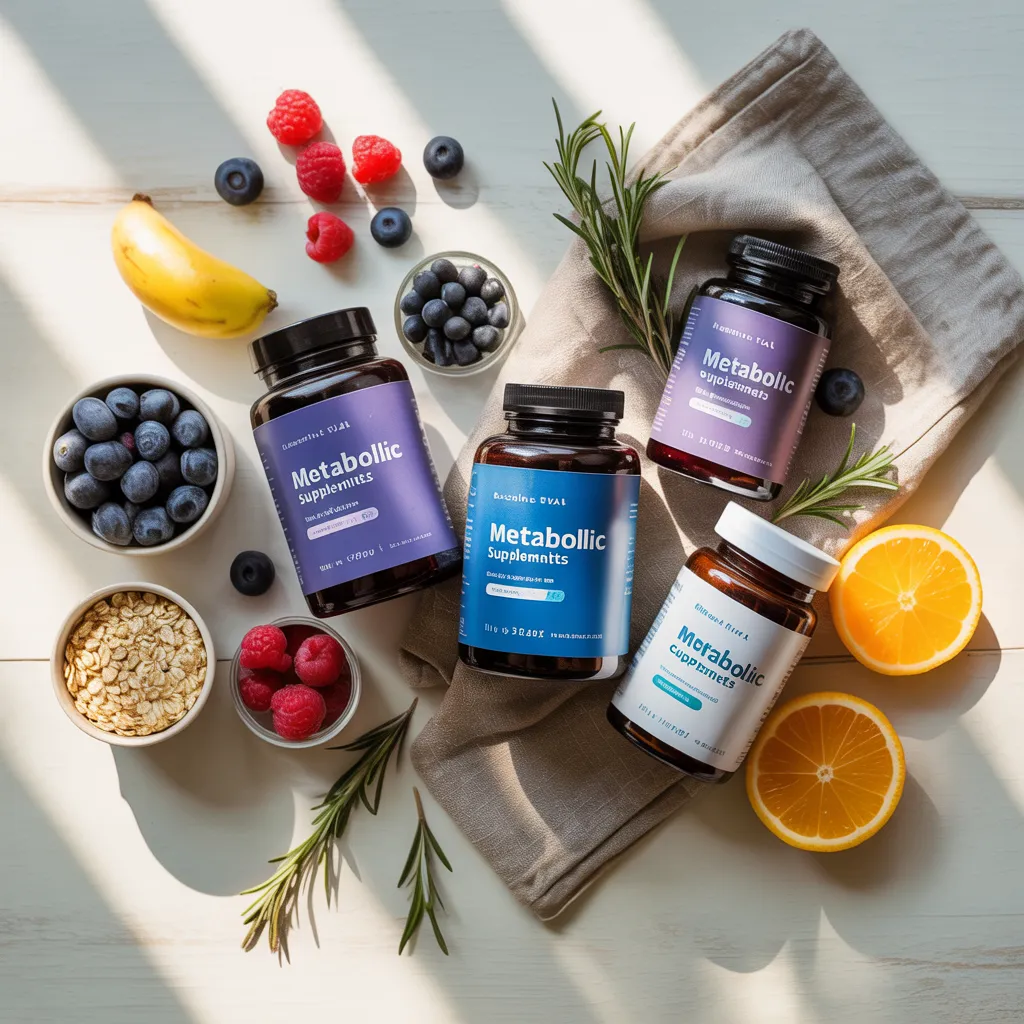
Berberine's Ancient Beginnings
Berberine, a naturally occurring bioactive compound present in various plants, possesses an extensive historical foundation grounded in traditional healing practices. It has been utilized for centuries, particularly in ancient Chinese and Ayurvedic practices, where it was revered for its therapeutic properties. This substance is mainly derived from the root systems and bark of botanical species like Goldenseal and Barberry. Traditional records chronicle its employment in managing diverse medical conditions, encompassing infectious diseases, digestive complications, and inflammatory ailments. Furthermore, it has played a pivotal role in traditional folklore, frequently connected with cleansing and therapeutic ceremonies. With the rising enthusiasm for natural treatments in recent years, berberine has attracted recognition for its possible therapeutic advantages, connecting traditional knowledge with modern wellness approaches.
How Berberine Works in the Body
Serving as an effective modulator, berberine impacts various biochemical pathways in the body to enhance health. It predominantly exercises its effects by stimulating an enzyme called AMP-activated protein kinase (AMPK), which performs a critical role in cellular energy regulation. This activation results in optimized glucose metabolism and increased fat oxidation. Moreover, berberine has been shown to influence the gut microbiota, supporting a healthier balance of beneficial bacteria. It also displays anti-inflammatory properties by adjusting cytokine production, consequently reducing chronic inflammation. Additionally, berberine can modulate lipid metabolism, resulting in lower cholesterol and triglyceride levels. Overall, its complex mechanisms of action highlight berberine's substantial role in preserving metabolic health and homeostasis within the body.
Health Advantages of Berberine
Berberine has attracted interest for its prospective wellness benefits, specifically in blood sugar regulation and its anti-inflammatory effects. Research demonstrates that it may help reduce glucose levels and improve insulin sensitivity, making it a useful asset for those managing diabetes. Moreover, its capacity to decrease inflammation could contribute to total health.
Blood Sugar Regulation
How does a natural compound like berberine significantly affect blood sugar levels? Research indicates that berberine enhances insulin sensitivity, which permits cells to efficiently process glucose. This process ultimately aids in reducing blood sugar levels, making it helpful for individuals with type 2 diabetes. see now Moreover, berberine has been proven to reduce glucose production in the liver, consequently contributing to its blood sugar-regulating properties. Studies suggest that taking berberine can result in substantial reductions in fasting blood glucose and HbA1c levels, markers vital for measuring long-term blood sugar control. Furthermore, its ability to influence gut microbiota may also help with improving metabolic health. All in all, berberine presents a promising natural option for managing blood sugar levels effectively.
Anti-Inflammatory Properties
Research highlights that berberine's advantages reach beyond blood sugar control, with significant anti-inflammatory properties contributing to overall health. Evidence suggests that berberine can suppress the production of pro-inflammatory cytokines, which play a critical role in the inflammatory response. By minimizing inflammation, berberine may aid in reduce symptoms associated with chronic inflammatory conditions, such as arthritis and cardiovascular diseases. In addition, its antioxidant properties even more enhance its anti-inflammatory potential, protecting cells from oxidative stress. This holistic approach not only supports a healthier immune system but also supports better metabolic function. As a result, incorporating berberine into a wellness regimen may provide a natural strategy for managing inflammation and improving overall health outcomes.
Blood Sugar Regulation and Berberine
As people seek out natural alternatives for regulating blood sugar levels, berberine has surfaced as a encouraging compound. Studies suggest that berberine may assist in reducing blood glucose levels through multiple mechanisms. It is understood to boost insulin sensitivity, enabling cells to process glucose more effectively. Additionally, berberine may suppress glucose production in the liver, further contributing to its blood sugar-lowering effects. Research has demonstrated that berberine supplementation can result in considerable reductions in fasting blood sugar and HbA1c levels, markers typically used to determine long-term glucose control. In addition, its potential to constructively influence gut microbiota may also contribute in supporting metabolic health. All in all, berberine's varied approach situates it as an important option for those addressing blood sugar concerns.
Potential Side Effects and Considerations
While berberine offers numerous health advantages, it is crucial to evaluate its potential side effects and individual responses. Users may experience gastrointestinal concerns, such as diarrhea, constipation, or stomach cramps, particularly when initiating supplementation. Additionally, berberine can interact with certain medications, especially those affecting blood sugar levels or liver enzymes, requiring caution and consultation with healthcare professionals. Expecting or nursing individuals should avoid berberine because of inadequate safety data. Moreover, extended effects of berberine supplementation remain uncertain, necessitating thorough consideration of dosage and duration. Individuals with pre-existing health conditions must discuss usage with a medical practitioner to ensure safe integration. Overall, understanding these considerations can assist in making educated decisions regarding berberine supplementation.
Adding Berberine To Your Wellness Program
Including berberine into a wellness routine requires careful consideration of correct dosage and potential dietary sources. Understanding the recommended daily intake can allow individuals maximize its benefits while minimizing risks. Furthermore, exploring natural food sources high in berberine can boost overall health.
Recommended Dosage
When assessing berberine as a supplement, knowing the correct dosage is vital for increasing its potential health benefits. Commonly, the recommended dosage of berberine ranges from 900 to 2,000 milligrams per day, split into multiple doses to enhance absorption. It is wise to begin with a lower dose, such as 500 milligrams, to gauge tolerance before progressively increasing to the desired amount. Consistency is essential, as taking berberine with meals may increase its performance and decrease gastrointestinal side effects. Consumers should seek advice from healthcare professionals before initiating berberine supplementation, especially if they are pregnant, breastfeeding, or taking medications, to verify safe and effective use in their wellness routine.
Sources from Diet
For people aiming to include berberine into their wellness routine beyond supplementation, it is crucial to explore plant-based dietary sources that contain this advantageous compound. Berberine is predominantly found in several plants, including the bark of the Phellodendron amurense tree and the roots of Hydrastis canadensis, typically known as goldenseal. Further sources include the Chinese herb Coptis chinensis and the Oregon grape, which features berberine in its roots and stems. While these plants are not commonly consumed in large quantities, incorporating herbal teas or tinctures sourced from them may help enhance berberine intake. Additionally, some dietary supplements merge these herbal sources, providing an alternative route for those seeking to take advantage of berberine's properties through herbal remedies and food sources.
Frequently Asked Questions
Can Berberine Be Taken With Other Supplements or Medications?
Taking berberine is possible with additional supplements or medications, but caution is advised. It might interact with particular drugs, so speaking with a healthcare professional in advance of combining it with additional treatments is suggested for optimal safety.
What Is the Appropriate Berberine Dosage for New Users?
For individuals just starting out, a suggested dosage of berberine usually falls from five hundred to fifteen hundred milligrams per day, separated into two or three doses. Speaking with a healthcare professional is suggested to establish the proper dosage tailored to individual needs.
Should You Follow Specific Dietary Guidelines While Using Berberine?
During berberine use, there are berberine, there are no stringent dietary restrictions; however, people are recommended to maintain a healthy diet and monitor their carbohydrate levels, as it may affect blood sugar levels in some instances.
How Much Time Is Needed to See Results From Berberine?
Typically, individuals may begin to notice results from berberine within four to 8 weeks of consistent use. Factors such as dosage, personal health conditions, and lifestyle can affect the timeline for experiencing noticeable effects.
Is Berberine Safe for Pregnant or Breastfeeding Women?
Berberine is generally not recommended for expectant or nursing mothers because of inadequate safety information. Seeking advice from a healthcare provider is vital before thinking about using it during gestation or breastfeeding to guarantee both the safety of mother and baby.